

(As an Amazon Associate, I may earn a commission at no extra cost to you.)
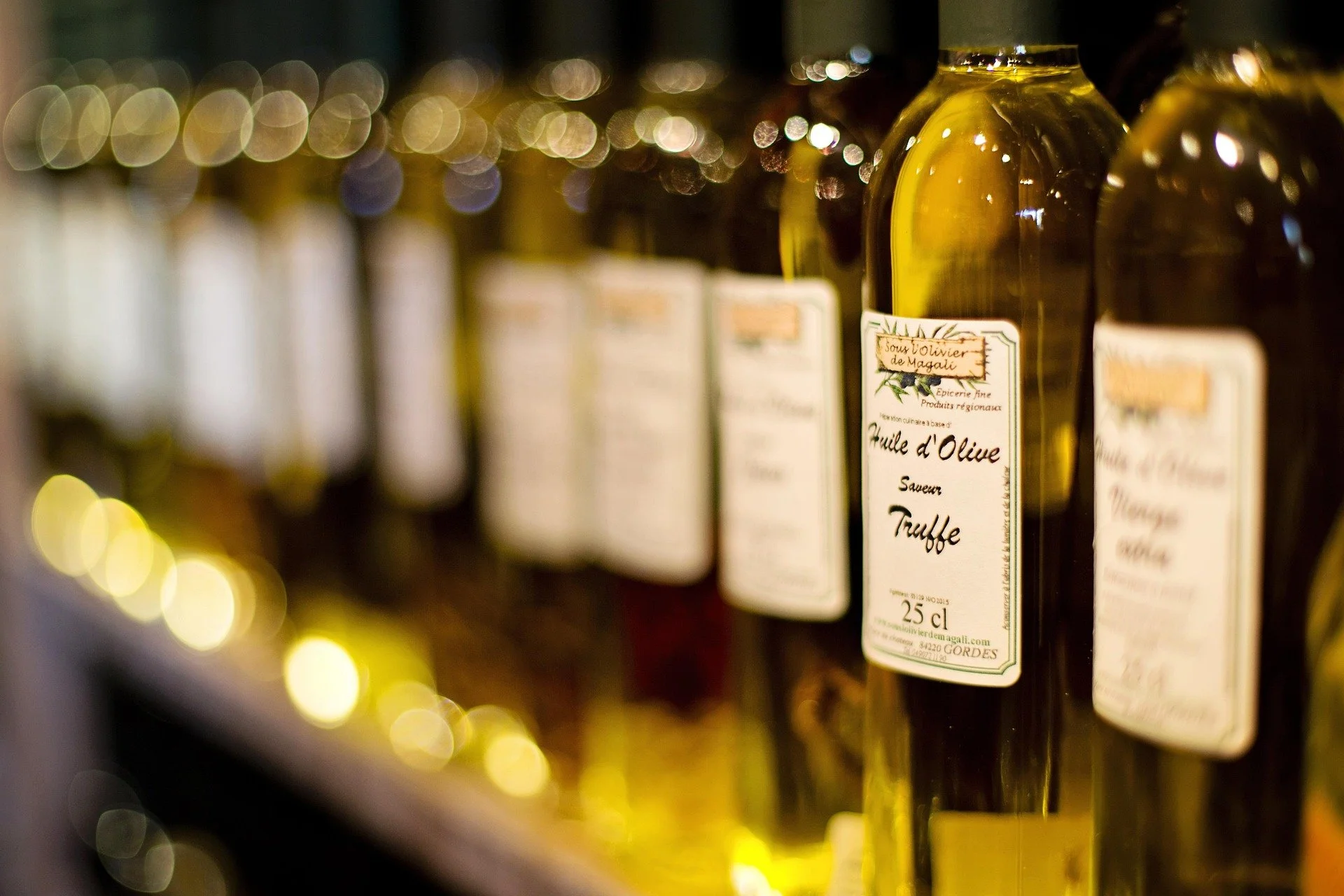
Extra Virgin Olive Oil (EVOO) is a highly celebrated health food, yet it is also one of the most frequently mislabeled and adulterated products in the global food market. Standard regulatory bodies, like the International Olive Council (IOC), enforce lenient chemical limits that allow low-quality, stale, or blended oils to carry the 'extra virgin' label. To combat this, the strict Ultra Premium (UP) standard was established to certify oils with superior chemical freshness, high antioxidant concentrations, and flawless sensory profiles. Use this pocket reference to select therapeutic-grade, high-polyphenol oils.
CHEMICAL QUALITY BENCHMARKS
Therapeutic-grade premium oils are defined by objective, verifiable chemistry. To ensure maximum medicinal value, verify these specific markers against the oil's certified independent laboratory analysis:
Free Fatty Acids (FFA) | Standard EVOO ≤ 0.8% | Ultra Premium ≤ 0.3% | Why It Matters: Measures hydrolytic rancidity and fruit damage; lower values prove rapid milling of healthy fruit.
Peroxide Value (PV) | Standard EVOO ≤ 20 mEq/kg | Ultra Premium ≤ 9 mEq/kg | Why It Matters: Primary measurement of oxidation. Lower values indicate pristine, unoxidized fresh fruit.
Oleic Acid | Standard EVOO ≥ 55% | Ultra Premium ≥ 65% (often ≥74%) | Why It Matters: Monounsaturated 'good fat' percentage. Higher levels drastically increase heat and shelf stability.
Diacylglycerols (DAGs) | Standard EVOO ≥ 35% (AOA) | Ultra Premium ≥ 90% | Why It Matters: The ratio of 1,2-DAGs serves as an objective, accurate snapshot of olive freshness.
Pyropheophytins (PPP) | Standard EVOO ≤ 17% (AOA) | Ultra Premium ≤ 2% | Why It Matters: Detects heat degradation, soft-column refining, or backblending with older oils.
Phenolic Content (Polyphenols) | Standard EVOO (N/A) | Ultra Premium ≥ 200 ppm | Why It Matters: Antioxidants (like oleocanthal and hydroxytyrosol) responsible for anti-inflammatory benefits.
LABEL & SOURCING CHECKLIST
Identify the Harvest Date: Avoid oils without a printed harvest month/year (e.g. 'Oct 2025'). Vague 'best-by' dates can mask degraded, older oil. Consume premium oil within 12–18 months of harvest.
Track the Hemisphere: Northern Hemisphere oils (Italy, Greece, Spain, California) are harvested Oct–Dec; Southern Hemisphere (Chile, Australia) in May–Jul. Buy from the most recent regional harvest cycle.
Demand Single-Origin: Choose single-estate oils traceable to a single farm. Avoid cheap, mass-market blends from 'multiple countries' (e.g., 'EU and Non-EU' blend), which are highly prone to dilution and fraud.
Specific High-Polyphenol Cultivars: Specific olive varieties such as Koroneiki (Greek), Picual (Spanish), and Coratina (Italian) reflect high traceability and naturally yield the highest, most stable antioxidant levels.
Check Third-Party Seals: Look for certified seals from accredited independent organizations like the California Olive Oil Council (COOC), Australian Olive Association (AOA), or European Union PDO/PGI seals.
TRUST YOUR PALATE: SENSORY EVALUATION
A genuine extra virgin olive oil must have a median of sensory defects equal to zero. Tasted raw, a high-quality oil should exhibit three distinctive, positive, science-backed attributes:
Fruitiness: Fresh, vibrant green aromas and flavors reminiscent of freshly cut grass, green tomato leaf, artichoke, green apple, or banana. This indicates fresh, healthy olives crushed rapidly.
Bitterness: A pleasant, clean bitterness felt on the tongue. This indicates the rich presence of oleuropein, which slows natural oxidation and has strong cardiovascular benefits.
Pungency: A sharp, peppery sting or tickle at the back of the throat that may trigger a cough. This throat-sting is the chemical signature of oleocanthal, a potent natural anti-inflammatory agent.
SCIENCE-BACKED HEALTH BENEFITS
Unlike refined fats, premium high-polyphenol oils contain unique bioactive biophenols that interact directly with cellular metabolic and inflammatory pathways:
Hydroxytyrosol (HT) — Cardiovascular Shield
HT is one of the most potent natural antioxidants. It binds directly to lipids, protecting Low-Density Lipoprotein (LDL) cholesterol from oxidizing—the critical first step in arterial plaque formation (atherosclerosis). The European Food Safety Authority (EFSA) officially validates a health claim for daily consumption of at least 5 mg of hydroxytyrosol and its derivatives per 20 g of olive oil (about 2 tablespoons) from oil with a minimum concentration of 250 mg/kg of polyphenols.
Oleocanthal — Natural Pain and Inflammatory Block
Oleocanthal is a selective inhibitor of cyclooxygenase-1 (COX-1) and cyclooxygenase-2 (COX-2) enzymes. This is the exact same biochemical pathway utilized by the anti-inflammatory drug ibuprofen. Regular daily consumption of oleocanthal helps block systemic, low-grade inflammation, which is a key driver of joint arthritis, cancer, and neurodegeneration.
Oleuropein — Glucose and Metabolic Regulation
Oleuropein is a powerful secoiridoid that stimulates insulin pathways and enhances glucose disposal in liver and muscle tissues. This metabolic regulation helps reduce insulin resistance, balances blood sugar levels, and protects pancreatic cells from oxidative and inflammatory damage.
PROTECT YOUR INVESTMENT: STORAGE RULES
Light Protection: Always choose dark amber/green glass bottles, metal tins, or ceramics. Avoid clear glass or clear monoplastic (PE/PET) bottles, which expose the oil to UV light and oxygen, destroying delicate polyphenols.
Temperature Control: Store the oil in a cool, dark place (ideally 59°F to 64°F or 15°C to 18°C), away from heat sources like stoves, ovens, or direct window light. Do not store next to appliances.
Consumability Window: Once a bottle is opened, oxygen enters and begins slow degradation. For peak antioxidant benefit and flavor freshness, consume your opened bottle within 30 to 60 days.
Pro Culinary Tip: While low-acidity extra virgin olive oil has high heat stability and a smoke point of ~210°C (perfect for roasting and sautéing), heat will eventually degrade and volatilize precious delicate compounds like hydroxytyrosol and oleocanthal. To maximize therapeutic benefits, consume your finest, high-polyphenol oils raw—drizzle them directly over salads, warm pasta, roasted vegetables, or take a tablespoon directly on an empty stomach!
Here is a guide to the most popular and trusted olive oil brands currently available in the United States in 2026, including their key features, parent companies, and where to buy them.
Graza
Features: Known for its innovative squeeze-bottle system featuring 'Sizzle' (for cooking) and 'Drizzle' (for finishing). Made from single-origin Picual olives from Spain, it offers a fresh, vibrant, and highly practical experience.
Parent Company / Distributor: Graza (New York-based brand working directly with Spanish farming families)
Where to Buy: Official website (graza.com), Amazon, and major retailers like Target and Whole Foods Market.
California Olive Ranch
Features: The gold standard of domestic American olive oil. Made from olives harvested in California orchards, it is celebrated for its clean taste and exceptional value, making it an American household staple.
Parent Company / Distributor: California Olive Ranch (California-based grower-cooperative and producer)
Where to Buy: Walmart, Costco, Kroger, and almost all major U.S. grocery stores and Amazon.
Brightland
Features: A premium brand packaged in distinct, opaque ceramic bottles designed to protect the oil from light. Popular varieties include 'Alive' (smooth and herbaceous) and 'Awake' (bold and robust), making them favorites for salads and gifting.
Parent Company / Distributor: Brightland (California-based luxury pantry and lifestyle brand)
Where to Buy: Official website (brightland.co), specialty boutiques, and select high-end department stores.
Partanna
Features: A traditional brand utilizing Sicilian Castelvetrano olives to deliver a rich, slightly pungent, and peppery finish packed with polyphenols. Traditionally packaged in vintage-style metal tins.
Parent Company / Distributor: Asaro Family (Sicilian heritage brand distributed via their U.S. subsidiary)
Where to Buy: Italian specialty grocers, international food aisles in supermarkets, and Amazon.
Pompeian
Features: One of the most popular mass-market and budget-friendly brands in the U.S. It offers reliable, versatile options like 'Smooth' and 'Robust Extra Virgin' suited for everyday cooking.
Parent Company / Distributor: Pompeian, Inc. (Baltimore, Maryland-based olive oil producer with deep historical roots)
Where to Buy: Costco, Walmart, Safeway, and supermarkets nationwide.
Colavita
Features: A classic Italian staple trusted in homes and professional kitchens around the world. It provides a reliable, well-balanced flavor profile ideal for all types of cooking.
Parent Company / Distributor: Colavita USA (U.S. arm of the Italian family company originating from Molise, Italy)
Where to Buy: Local grocery chains (Publix, Kroger, etc.) and Amazon.
Tips for Buying Olive Oil in the U.S.
Bulk Shopping (Costco / Sam’s Club): Best for securing large-format bottles of trusted brands like California Olive Ranch or Pompeian at a lower cost per ounce.
Online & Trendy Brands (Amazon / Direct-to-Consumer): Ideal for sourcing modern favorites like Graza and Brightland.
Specialty & Organic Grocers (Whole Foods / Trader Joe's): Great places to explore regional Californian or European artisanal and organic estate oils.