

Honey Varieties: Botanical Origins and Their Impact on Blood Sugar
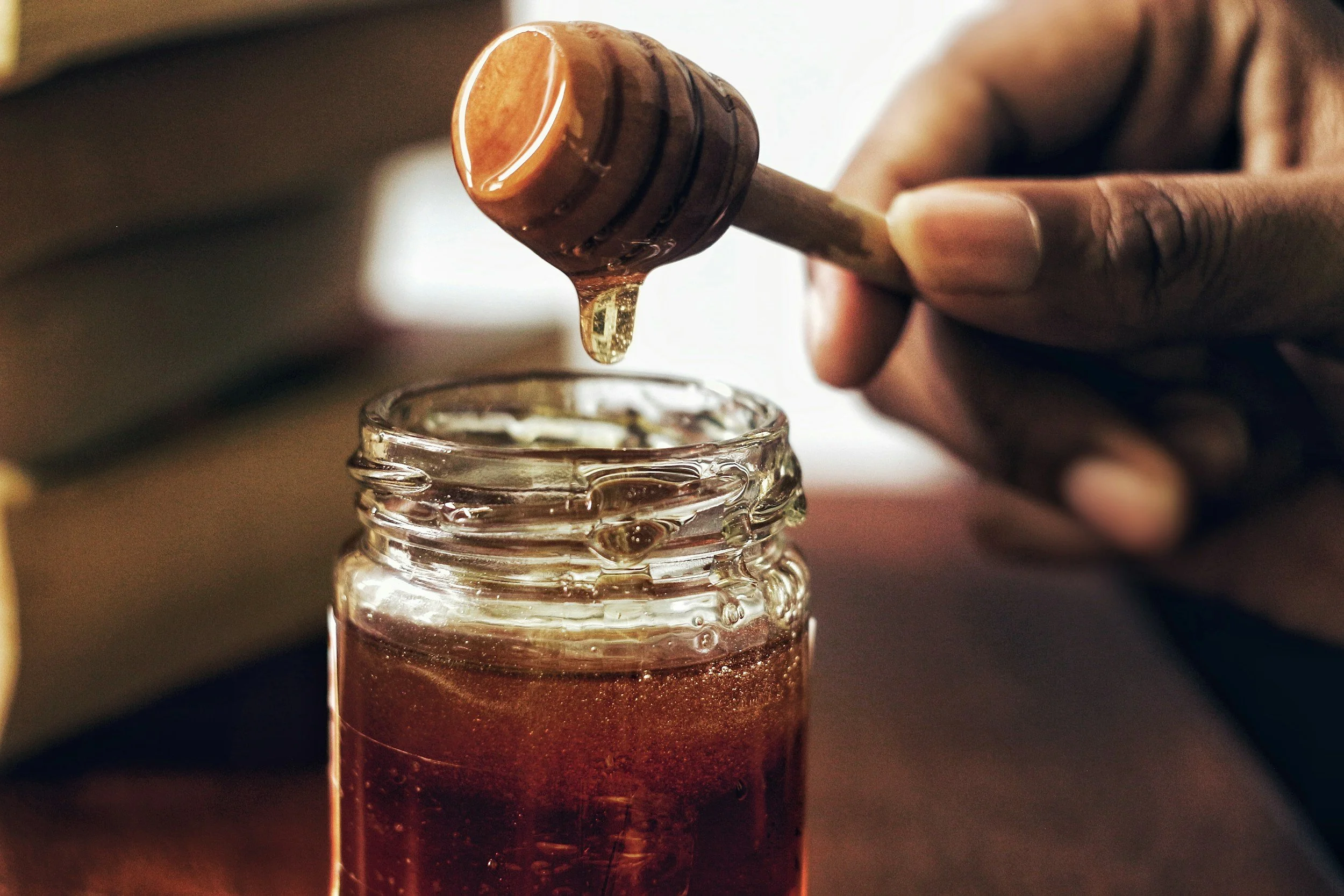
Honey is often described as a natural alternative to refined sugar, but not all honey behaves the same way in the body. The flowers visited by bees, the resulting sugar composition, and the honey's processing can influence its flavor, color, antioxidant content, and potentially its effect on blood glucose. One of the most interesting differences among honey varieties is their fructose-to-glucose (F/G) ratio. Understanding this relationship can help us make more informed choices about how honey fits into a balanced diet.
Honey varieties differ significantly in their impact on blood sugar, primarily due to differences in their sugar composition, floral sources, and processing methods.
While honey's overall glycemic index (GI) typically ranges between 50 and 60 (making it a moderate-GI food), individual varieties can span a wide spectrum from a very low GI of 15 to a high GI of 83. In general, most honey varieties have a gentler effect on blood sugar compared to refined table sugar, which has a GI of 65 to 80.
The Key Driver: The Fructose-to-Glucose (F/G) Ratio
The primary chemical reason honey varieties differ in blood sugar impact is their fructose-to-glucose (F/G) ratio. Honey is predominantly made of these two simple sugars, which are metabolized by the body in entirely different ways.
Fructose (GI of ~23) is absorbed slowly and metabolized directly in the liver without immediately stimulating insulin secretion.
Glucose (GI of 98 to 100) is absorbed rapidly in the gut and enters the bloodstream immediately, triggering a sharp insulin response.
Consequently, the higher the fructose-to-glucose ratio in a honey variety, the lower its GI and the gentler its impact on blood sugar.
Blood Sugar Impact by Honey Variety
The glycemic impact of common commercial honeys can be categorized into low, moderate, and high groups:
Low Blood Sugar Impact (Low GI <55)
Acacia Honey (GI ~15 to 32): Sourced from the black locust tree, acacia honey has the highest F/G ratio of any commercial honey (~1.47, containing roughly 40% fructose and 28% glucose). This makes it the slowest-acting, gentlest variety of blood sugar, causing a gradual rise in glucose and making it the preferred natural sweetening alternative for individuals with insulin resistance or diabetes
Tupelo Honey (GI ~45 [estimated]): Sourced from the southern swamplands, tupelo is highly fructose-dominant. While some databases estimate its GI as low as 45, others classify it as high as 74; however, food chemistry standards generally view its high fructose fraction as producing a stable, low-to-moderate metabolic reaction.
Sage Honey (GI ~48 [estimated]): Sourced from sage blossoms, this is another slow-crystallizing, low-GI option.
Manuka Honey (GI ~54 to 59): Sourced from the tea tree bush in New Zealand, Manuka sits right at the border of low and moderate glycemic impact, with an F/G ratio of about 1.16.
Moderate Blood Sugar Impact (Medium GI 56 to 69)
Blueberry Honey (GI ~59)
Orange Blossom Honey (GI ~61)
Wildflower Honey (GI ~65)
Clover Honey (GI ~69): Clover honey, the most common table honey in the United States, has a higher glycemic impact than most specialty varieties. It has a relatively low F/G ratio (~1.06), meaning it behaves more like refined sugar in the bloodstream.
High Blood Sugar Impact (High GI >70)
Lavender Honey (GI ~73 [estimated]): Due to its glucose-dominant composition (F/G ratio of ~0.97), lavender honey causes rapid sugar spikes.
Chestnut Honey (GI ~74 [estimated]): Another glucose-dominant variety with a high glycemic response.
Buckwheat Honey (GI ~83 [estimated]): Buckwheat honey represents the highest glycemic impact of any common commercial variety, rising blood sugar faster than refined sugar. Although it has a moderate F/G ratio (~0.9 to 1.11), its high glycemic index is driven by an elevated fraction of disaccharides (such as maltose) and oligosaccharides, which are rapidly broken down and absorbed in the small intestine.
The "Antioxidant-GI" Paradox
A notable trade-off exists in honey biochemistry between glycemic impact and health-promoting antioxidants.
In simple terms, the honeys that are healthiest for your blood sugar contain the fewest antioxidants, while the honeys richest in therapeutic antioxidants will spike your blood sugar the most.
Light, clear honeys (like acacia and tupelo) are highly fructose-dominant and gentle on blood sugar, but they are virtually devoid of beneficial phenolic compounds and antioxidants.
Dark, robust honeys (like buckwheat and chestnut) are packed with highly therapeutic antioxidants, minerals, and phenols, but they are glucose-dominant and spike blood sugar rapidly.
If you are looking to balance both priorities, blueberry honey is the most significant positive outlier, offering a medium-low GI (~59) alongside an above-average antioxidant rating (~315 ORAC) Heather honey is another excellent compromise, offering an estimated GI of 67 with a very high antioxidant value of ~490 ORAC.
Practical Management Tips
Regardless of the variety, honey is still a concentrated source of carbohydrates that raises blood glucose. To minimize its blood sugar impact:
Restrict portion sizes: Limit intake to 1 to 2 teaspoons (5 to 10 grams) per serving.
Pair strategically: Consume honey alongside high-protein or fiber-rich foods (such as Greek yogurt, whole grain toast, or oatmeal) to slow digestion and blunt the glucose spike.
Consult a professional: If you are managing diabetes, prediabetes, or insulin resistance, consult a doctor or registered dietitian before substituting honey into your daily carbohydrate limits.