DIM: A Natural Breakthrough for Dental Biofilm Prevention
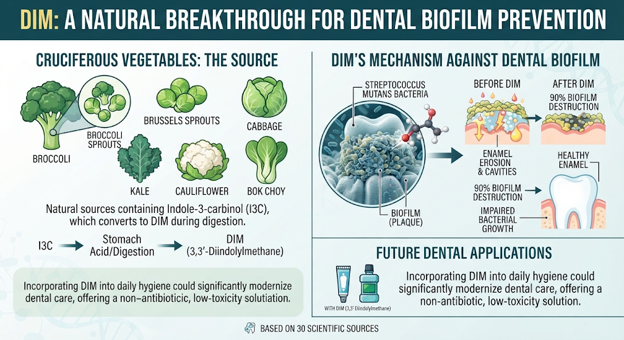
Researchers have identified a natural compound called 3,3'-Diindolylmethane (DIM), found in cruciferous vegetables like broccoli and cabbage, as a powerful tool for improving oral health. This molecule, which is a byproduct of digesting indole-3-carbinol, has demonstrated the ability to destroy 90% of the biofilms produced by Streptococcus mutans, the primary bacteria responsible for dental plaque and cavities. Unlike traditional antibiotics, DIM functions as a biological disruptor that impairs the bacteria's ability to grow and produce damaging extracellular polymeric substances, especially in acidic environments. Given its low toxicity, scientists suggest that incorporating this bis-indole into daily hygiene products like toothpaste and mouthwash could significantly modernize dental care. While the compound is already available as a dietary supplement and is being studied for anti-cancer properties, clinical trials are still needed to confirm its specific efficacy in human dental applications. Together, these sources highlight a shift toward utilizing plant-derived metabolites to combat common infections and preserve tooth enamel.
3,3'-Diindolylmethane (DIM) is naturally produced in your body during the digestion of its precursor compound, indole-3-carbinol (I3C). Both are obtained by eating cruciferous vegetables.
According to the sources, the specific vegetables and plants that naturally contain these compounds (or their precursor glucosinolates) include:
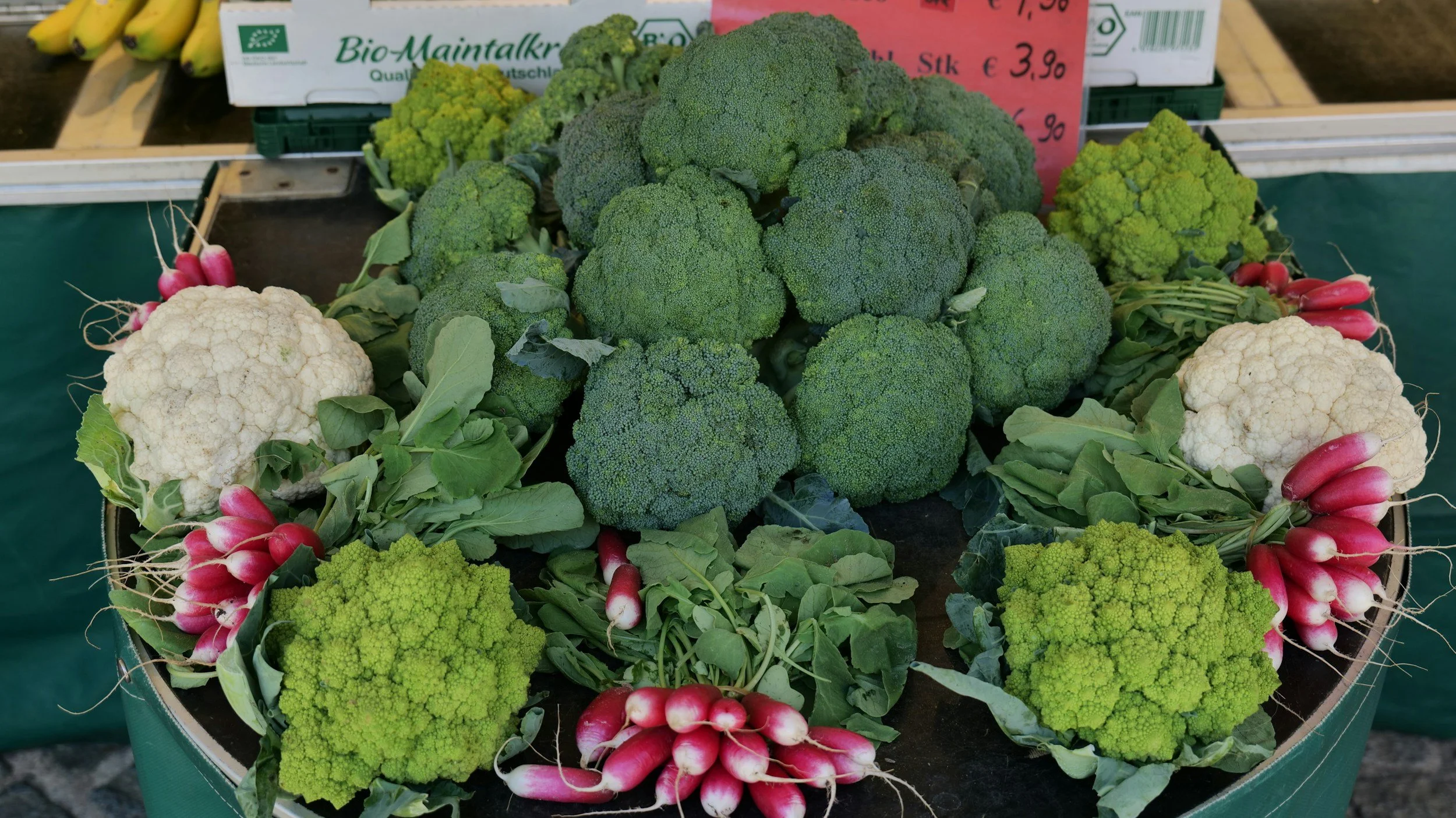
Broccoli (with broccoli sprouts specifically highlighted as having the highest concentration of these active compounds)
Brussels sprouts
Cabbage
Kale
Cauliflower
Bok choy
Collards
Kohlrabi
Watercress
Radishes
Rocket
Mustard seeds